Powder, Permits, and Paychecks: The Real Road to a Pyrotechnics Career in Middle Georgia
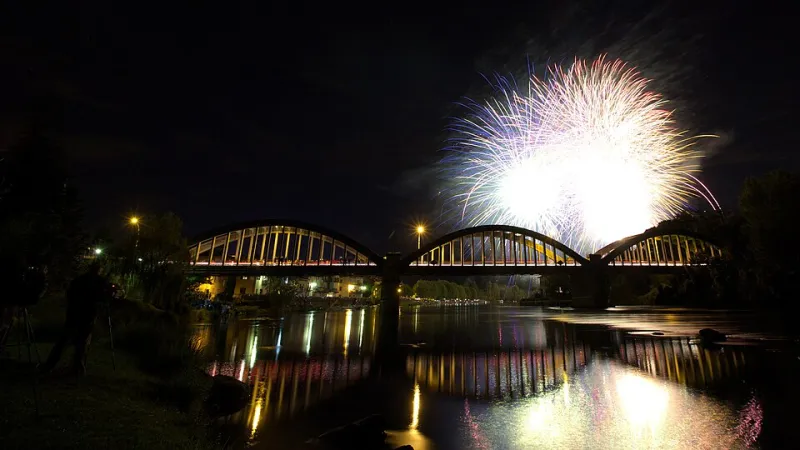
There's a moment every pyrotechnician remembers — the first time they watched a shell they personally loaded climb into the night sky and burst into color. For most folks in Middle Georgia, that feeling starts at a backyard cookout or a county fair. For a select few, it becomes the foundation of an entire career.
Macon has quietly become home to a cluster of working pyrotechnicians who have grown their operations from small local gigs into regional and even national contracts. These aren't hobbyists with a bucket of Black Cats. They're licensed professionals running real businesses, managing crews, hauling specialized equipment, and navigating a surprisingly complex web of regulations. So what does it actually take to get there?
Starting Point: Education and Licensing
Unlike careers in medicine or law, there's no single university degree that puts you on the path to professional pyrotechnics. What there is, however, is a very specific licensing ladder — and skipping a rung can land you in serious legal trouble.
At the federal level, anyone handling display fireworks (the kind used in professional shows, as opposed to consumer fireworks sold at roadside tents) must obtain a Federal Explosives License or Permit through the Bureau of Alcohol, Tobacco, Firearms and Explosives (ATF). That process involves background checks, a demonstrated knowledge of explosives safety, and compliance with storage requirements.
On top of that, Georgia has its own state-level requirements. Display operators need to be licensed through the State Fire Marshal's office, and many counties — including Bibb County — require additional local permits for each individual show.
"People think you just show up and start lighting fuses," laughs Marcus Treadwell, a Macon-based display operator who has been running professional shows for over a decade. "The paperwork alone can take months the first time around. But once you understand why those requirements exist, you respect every single one of them."
Many local professionals got their start by apprenticing under an already-licensed operator — essentially learning on the job while building the documented experience hours required for licensure. Organizations like the Pyrotechnics Guild International (PGI) offer training conventions and workshops that are widely regarded as essential networking and education opportunities for anyone serious about the craft.
The Gear Reality: What It Actually Costs to Get Started
Once the licenses are in hand, the next shock is the equipment budget. A basic professional setup — mortars, racks, firing systems, and safety gear — can run anywhere from $15,000 to $50,000 before you've purchased a single shell. And that's before transportation.
Display-grade fireworks are classified as explosives, which means they can't just ride in the back of your pickup. Proper transport vehicles, magazine storage, and compliance with Department of Transportation regulations add significant overhead to any operation.
Then there's insurance. Professional liability and general liability coverage for a pyrotechnics business isn't cheap. Policies for small operators can run $5,000 to $15,000 annually depending on the volume of shows and coverage limits required by clients. Many municipalities and event venues now require at least $2 million in general liability coverage before they'll even discuss a contract.
"Insurance was the thing nobody warned me about," says Deja Hollins, who launched her Macon-area pyrotechnics company five years ago after years of working as a crew member for other operators. "You get the license, you get excited, and then you call an insurance broker and reality sets in real fast."
Despite those upfront costs, operators who stick with it tend to find the investment pays off. A single mid-sized municipal Fourth of July contract in the Southeast can generate anywhere from $8,000 to $30,000 in revenue depending on the show's scope.
Landing Contracts: Marketing Yourself to Cities and Private Clients
The pyrotechnics business, perhaps more than most industries, runs on relationships. Municipal contracts — the bread-and-butter of many regional operators — are often awarded through formal bid processes, which means getting on the right vendor lists and building a reputation before those RFPs (Requests for Proposals) ever hit the portal.
For Macon-area professionals, the Southeast is a rich territory. Georgia, Alabama, South Carolina, and Tennessee all host hundreds of professional displays each year, from small-town Fourth of July shows to NASCAR events and college football celebrations.
Successful operators emphasize a few key marketing strategies:
Build a visual portfolio. Video footage of your shows is your most powerful sales tool. Cities and event planners want to see what they're buying before they sign a check.
Show up in the community. Several Macon pyrotechnicians credit their early growth to volunteering for smaller community events at reduced rates — not out of charity, but as a deliberate strategy to build local name recognition and relationships with event organizers.
Network through industry channels. The PGI convention circuit and state fire marshal networks are where many operators find their most valuable professional connections.
Don't underestimate private clients. Corporate events, weddings, and private parties have become a growing revenue stream for operators willing to scale their setups down. A well-executed 10-minute show at a Macon country club can be as profitable per hour as a much larger municipal display.
The Long Game
For those who build sustainable businesses, the rewards go well beyond the paycheck. There's the satisfaction of executing a technically flawless show, the community recognition that comes with being the person who lights up the sky at your city's biggest celebrations, and the genuine pride of mastering a craft that requires equal parts technical knowledge, physical skill, and artistic vision.
"I've shot shows in five states this year," Treadwell says. "But honestly, the Macon gigs still hit different. This is home. When that finale goes up and you hear the crowd — there's nothing else like it."
For Middle Georgians thinking about chasing this path, the message from working professionals is consistent: start by connecting with a licensed operator willing to take on an apprentice, invest in your education before your equipment, and be prepared for the business side to demand as much energy as the creative side. The sky, quite literally, is the limit.