When the Sky Booms: A Middle Georgia Pet Owner's Survival Guide for Fireworks Season
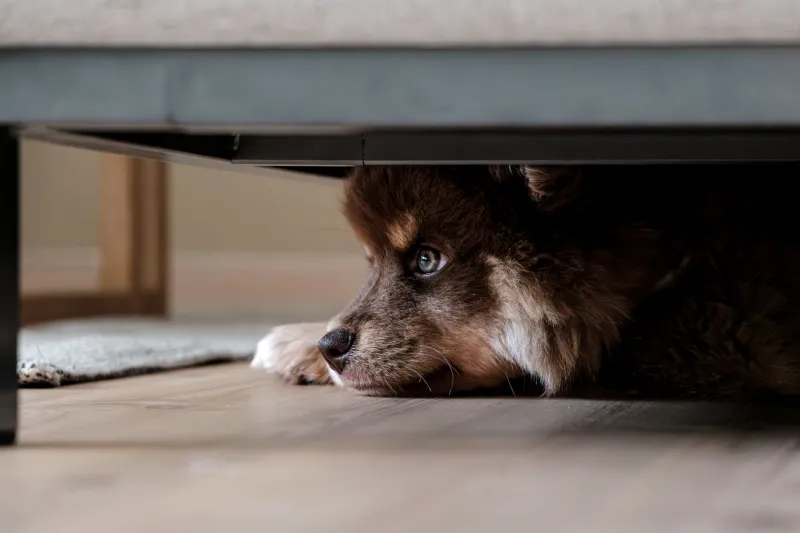
Every summer, the same thing happens. The sun goes down, the first shell cracks open over the Macon skyline, and somewhere across Middle Georgia, a dog is losing its mind behind a couch. A cat has wedged itself under a bed. A rabbit is thumping frantically in its cage. For pet owners, fireworks season is equal parts joy and dread — because while we're oohing at the colors, our animals are experiencing something closer to a full-blown panic attack.
It's not dramatic to say that fireworks are genuinely terrifying for a lot of animals. And if you've ever watched your otherwise chill golden retriever transform into a trembling, panting mess at the first distant pop, you know exactly what we mean.
So what can Middle Georgia pet owners actually do about it? We reached out to local veterinarians, animal behavior specialists, and the folks working the front lines at area shelters to get some real, practical answers.
Why Fireworks Hit Animals So Hard
Before we get into solutions, it helps to understand the problem. Dogs, cats, and many other domesticated animals have hearing that's significantly more sensitive than ours. A fireworks display that sounds thrilling from a lawn chair can register as something genuinely alarming to an animal's nervous system — loud, unpredictable, and impossible to escape.
It's not just the volume, either. The randomness is part of what makes it so stressful. Animals thrive on predictability. They can't look up at the sky and rationalize what's happening the way we can. To them, it's just chaos raining down from above with no warning and no explanation.
Anxiety behaviors can range from mild restlessness and panting to full-scale escape attempts. And that last one is where things get genuinely dangerous.
The Lost Pet Surge Is Real
If you've ever noticed more "lost dog" posts flooding your neighborhood Facebook group around the Fourth of July, that's not a coincidence. Animal shelters across the country — and right here in Middle Georgia — consistently report a spike in stray intakes during fireworks-heavy weekends.
Staff at local rescue organizations say that even dogs who've never shown an interest in escaping before can bolt when they're panicked enough. Fences get jumped. Leashes get pulled free. Screen doors get nosed open. A dog in full flight-mode is surprisingly resourceful.
The takeaway? Even if your pet has always seemed totally fine during fireworks, this isn't the time to assume. Take precautions every year.
Start Before the First Shell Goes Up
One of the most consistent pieces of advice from animal behaviorists is this: don't wait until the night of a big display to start managing your pet's anxiety. Preparation makes a real difference.
Desensitization is a technique that involves gradually exposing your pet to recorded fireworks sounds at a low volume over several weeks, slowly increasing the volume as they grow more comfortable. It won't work overnight, but for dogs especially, it can meaningfully reduce their fear response over time. There are playlists and apps specifically designed for this — search for "dog desensitization sounds" and you'll find plenty of options.
Start this process well before peak fireworks season if you can. Macon's celebration calendar runs pretty much all summer long, so the sooner you begin, the better.
Create a Safe Space Inside Your Home
When the booms start, your pet needs somewhere to retreat. The instinct to hide is a natural coping mechanism — don't fight it. Instead, set up a dedicated "safe room" in the quietest part of your home, ideally an interior room with fewer windows.
Load it up with familiar bedding, a few favorite toys, and something that smells like you. White noise machines or fans can help muffle outside sounds. Some pet owners swear by leaving a TV or radio on in the background — not because the animal is watching it, but because the ambient noise provides a layer of acoustic buffer.
If your dog is crate-trained, their crate can be a genuine comfort zone during stressful events. Cover it with a blanket to reduce visual stimulation and make it feel more den-like.
Products Worth Talking to Your Vet About
The market for pet anxiety products has exploded in recent years, and honestly, some of it is more useful than others. Here's a quick rundown of what Macon-area vets tend to recommend:
Compression wraps (like the Thundershirt) apply gentle, constant pressure to a dog's torso — similar in theory to swaddling an infant. Results vary by animal, but many owners report noticeable calming effects.
Pheromone diffusers and sprays release synthetic versions of natural calming chemicals. Dog-Appeasing Pheromone (DAP) products and feline equivalents are widely available and considered safe for most pets.
Calming supplements containing ingredients like melatonin, L-theanine, or chamomile are available over the counter and may take the edge off mild anxiety. Always check with your vet before introducing any supplement, especially if your pet is on other medications.
Prescription options exist for animals with severe anxiety. Medications like trazodone or gabapentin can be prescribed by your veterinarian and are worth discussing if your pet's distress is significant. Don't be embarrassed to ask — this is exactly what your vet is there for.
Don't Underestimate Your Own Energy
Here's something that surprises a lot of pet owners: animals are remarkably good at reading our emotional state. If you hover anxiously over your dog during a fireworks display, cooing and over-reassuring them, you may actually be reinforcing the idea that there's something to be afraid of.
Vets and trainers often recommend a calm, matter-of-fact approach. Acknowledge your pet's presence, offer quiet comfort, but try not to match their anxiety with your own. Act like everything is fine — because for them, it will be.
Before You Head Out to the Show
If you're planning to catch one of Macon's summer fireworks displays in person, here are a few quick reminders before you leave your pets at home:
- Make sure all ID tags are current and that microchip registration is up to date. If your pet does escape, this is your best shot at getting them back.
- Never leave pets outside unattended during fireworks, even in a fenced yard.
- Walk your dog well before dark so they're not outside when things get loud.
- Leave pets in a cool, comfortable space with access to water.
- Let a trusted neighbor or family member know your pet is home alone, just in case.
Middle Georgia Pets Deserve a Good Summer Too
Fireworks season is one of the best things about living in this part of the world. The community celebrations, the family gatherings, the way the sky over Macon lights up on a warm summer night — it's genuinely special stuff. But the people who love this city love their animals too, and keeping our four-legged family members safe and comfortable during the loud nights is just part of being a responsible pet owner.
With a little planning and the right support, both you and your pets can make it through fireworks season in one piece. Go enjoy the show — just make sure your dog is cozy on the couch with the fan on before you head out the door.