The Spark That Pays: How Macon's Fireworks Season Is Quietly Fueling the Local Economy
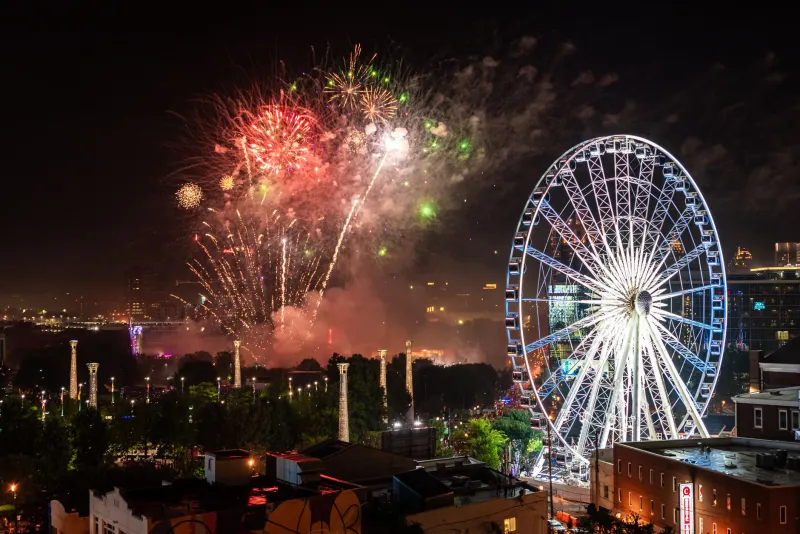
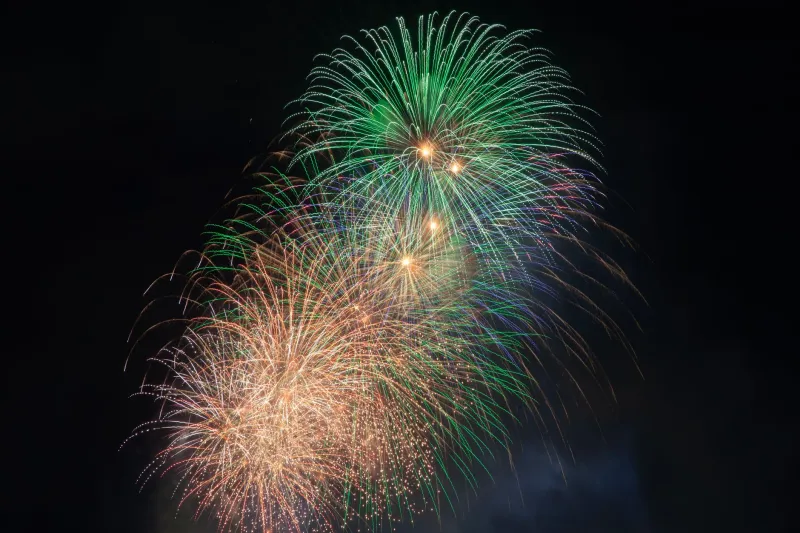
Every summer, thousands of people spread blankets across Macon's parks, crane their necks toward the sky, and collectively gasp at the same bursts of red, white, and blue. It's a beautiful tradition. But while most folks are focused on the show overhead, there's another story unfolding at ground level — one measured not in shells and starbursts, but in hotel reservations, restaurant tabs, and sales tax receipts.
Fireworks tourism is a real thing, and Middle Georgia is quietly cashing in.
More Than Just a Pretty Show
It's easy to think of a fireworks display as a one-night spectacle — a community perk that costs the city money rather than generating it. But local economists and tourism officials will tell you the math looks very different once you zoom out.
"People don't just drive in, watch the fireworks, and leave," says one Macon-area hospitality consultant who works with several downtown properties. "They book hotel rooms the night before. They eat dinner out. They grab breakfast the next morning. They stop at a gas station, a grocery store, a souvenir shop. That spending compounds fast."
According to data from the Macon-Bibb County Convention and Visitors Bureau, major summer celebration weekends — particularly around the Fourth of July — consistently rank among the highest hotel occupancy periods of the year. Occupancy rates during peak fireworks weekends have climbed steadily over the past several years, with some downtown properties reporting near-full bookings as early as two weeks before the holiday.
What Visitors Actually Spend
Visitor spending during celebration seasons breaks down across a surprisingly wide range of categories. Lodging and food get most of the attention, but the ripple effects reach further than you'd expect.
Local retailers along Poplar Street and in the downtown corridor report measurable upticks in foot traffic during fireworks weekends. Boutiques, gift shops, and even hardware stores selling lawn chairs and bug spray see the bump. Food trucks and pop-up vendors who position themselves near viewing areas often describe their Fourth of July weekend as one of their top three revenue days of the entire year.
"I do more business in one night during the big fireworks show than I do in a slow two-week stretch in January," says one food vendor who has worked Macon's celebration circuit for several years. "It's not just the crowd at the show — it's everyone who comes into town for the whole weekend."
Conservative estimates from regional tourism studies suggest that a single well-attended fireworks event drawing 10,000 or more visitors can inject anywhere from $500,000 to over $1 million into a local economy when all spending categories are tallied. For a mid-sized city like Macon, that's not pocket change.
The Hotel and Restaurant Effect
Downtown Macon's restaurant scene has evolved considerably over the past decade, and local owners are increasingly aware of how much celebration-season traffic contributes to their annual bottom line.
"We absolutely plan our staffing and inventory around fireworks weekends," says the owner of a popular downtown eatery who asked to remain unnamed. "We'll bring in extra kitchen staff, pre-order more product, extend our hours. It's a known quantity for us at this point. The city puts on a great show, and we benefit directly from the crowd that comes with it."
Hotel managers echo similar sentiments. Beyond the obvious occupancy boost, fireworks weekends tend to attract guests who spend more freely — families treating themselves to a special occasion, couples celebrating anniversaries, and out-of-town visitors who are already in a festive mindset and less likely to pinch pennies.
"A guest who comes for a fireworks weekend is in vacation mode," notes one general manager at a mid-scale Macon property. "They're ordering room service, using the pool, grabbing drinks at the bar. The average spend per room goes up significantly compared to a regular business travel night."
Tax Revenue and the Public Benefit
Beyond private business profits, there's a public dimension to all this spending that often gets overlooked. Sales tax revenue generated during peak celebration weekends flows back into Macon-Bibb County's general fund, supporting everything from road maintenance to public services.
Georgia's state and local sales tax structure means that every restaurant meal, hotel stay, and retail purchase made by a visiting celebrant contributes to the county's coffers. Tourism officials estimate that a robust Fourth of July weekend can generate tens of thousands of dollars in local sales tax revenue alone — money that, in a very real sense, helps fund the next round of public amenities that make Macon an attractive destination in the first place.
It's a virtuous cycle: the city invests in quality events, visitors come and spend, tax revenue grows, and that revenue can be reinvested in infrastructure and programming that draws even more visitors.
Jobs, Even Temporary Ones, Matter
Another economic dimension that doesn't always make headlines is temporary employment. Fireworks season creates a genuine surge in short-term hiring across Macon's service sector. Restaurants bring on seasonal staff. Event venues hire additional security and logistics personnel. Parking operations expand. Vendors staff up.
These aren't permanent jobs, but they're real income for real people in the community. For college students home for the summer, for part-time workers looking to supplement their income, and for small business owners who rely on seasonal cash flow to carry them through slower months, the economic impact of fireworks season is deeply personal.
Keeping the Momentum Going
Macon's challenge — and opportunity — is figuring out how to leverage its fireworks identity beyond a single holiday weekend. Tourism officials have been exploring ways to build out the celebration calendar, creating multiple touchpoints throughout the year that bring visitors back rather than concentrating all the economic benefit into a few days in July.
"The Fourth of July is our Super Bowl," one tourism board representative acknowledged. "But we're thinking about how to create more of those moments. Every time we draw people into Macon for a celebration, we're also giving them a reason to come back, to tell their friends, to think of us as a destination."
That long-game thinking is starting to pay off. Macon's reputation as a community that knows how to celebrate — with genuine heart, good food, and yes, a spectacular sky show — is increasingly part of its identity in regional tourism conversations.
The Bottom Line
Next time you're watching a fireworks display light up the Middle Georgia sky, take a second to think about everything happening beyond the viewing field. The hotels filling up. The kitchens running at full speed. The vendors counting their best receipts of the summer. The tax dollars quietly accumulating.
Fireworks are entertainment, sure. But in Macon, they're also economic development — colorful, booming, and absolutely worth every penny of investment. The show in the sky is dazzling. The story on the ground is just as impressive.